

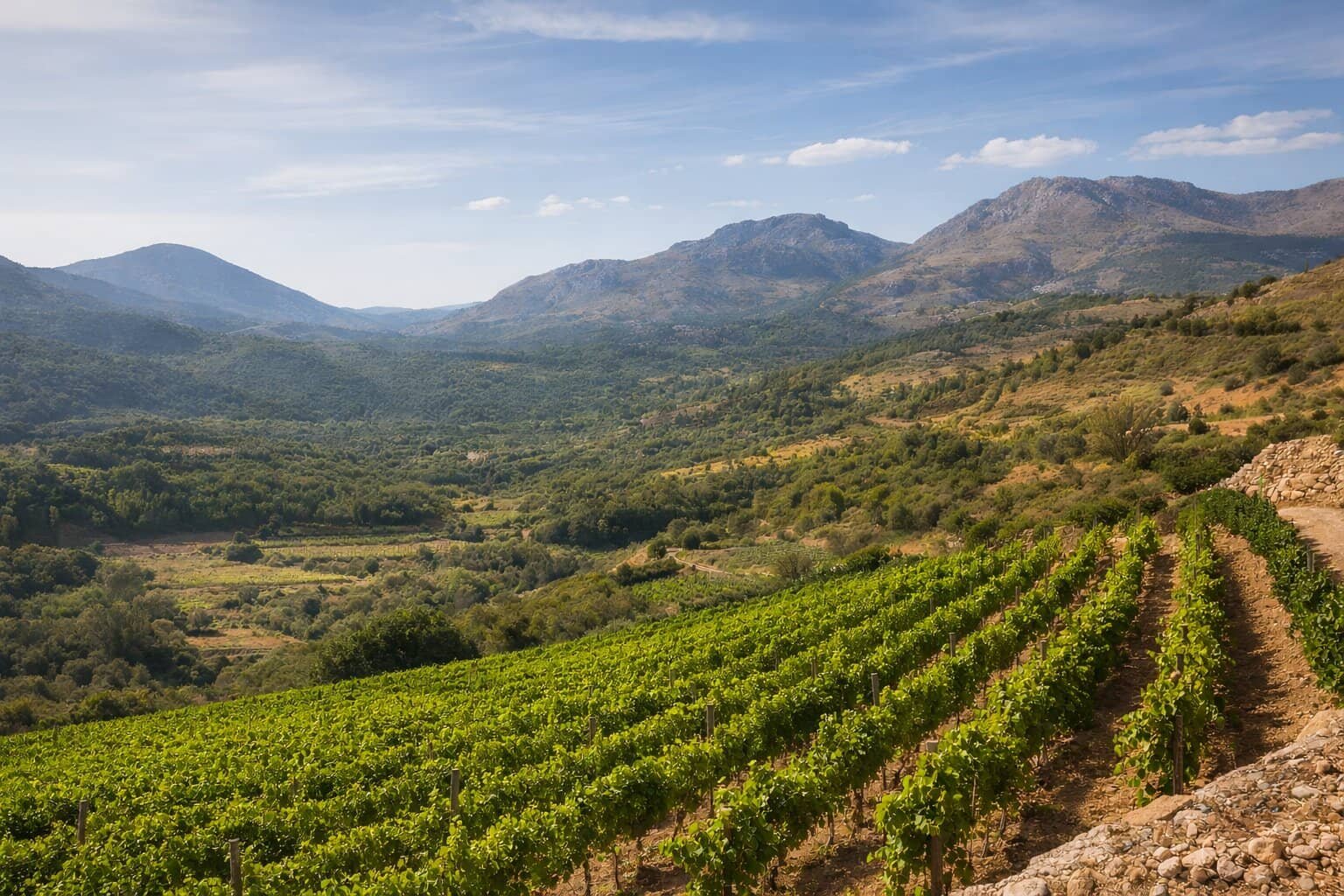
A small country with serious altitude, varied soils, and remarkable site diversity.
Israeli wine is no longer discussed only through the lens of history or religion. Today, the real conversation is about terroir: altitude, soil, exposure, drainage, and microclimate. That is the same language used to describe Europe’s great wine regions, and it is exactly why Israel now deserves to be part of that quality discussion.
Israel does not need to imitate Europe to compete with it. What makes the country so compelling is that it offers its own combination of mountain vineyards, volcanic soils, limestone hills, and desert elevations. In a relatively small area, growers can work with dramatically different conditions, and those differences show up clearly in the wines.
Why Terroir Matters So Much
In fine wine, terroir is not just a romantic word. It is the combination of natural factors that shape how grapes ripen and how a wine eventually tastes. Europe built much of its wine reputation on this idea, with vineyards being valued for slope, elevation, soil, and climate rather than simply for how many grapes they produce.
Altitude
Helps preserve freshness and slows ripening.
Soil
Influences drainage, vigor, texture, and structure.
Climate
Shapes acidity, fruit character, and balance.
Exposure
Changes sun intensity and ripening patterns.
That same logic now applies in Israel. The best vineyards are not simply planted wherever there is open land. They are chosen carefully, often at elevation, in areas where warm sunshine is balanced by cooler nights and well-drained soils.
The Judean Hills: Israel’s Limestone Powerhouse
The Judean Hills are one of the strongest examples of how Israeli terroir can stand beside Europe’s best hillside regions. This is a rugged landscape west of Jerusalem, with vineyards planted on slopes, terraces, and elevated ridges rather than on broad flat plains.
Elevation
Many top vineyards sit hundreds of meters above sea level, helping preserve acidity and lengthen the growing season.
Soils
Terra rossa, limestone, marl, and stony soils create structure, minerality, and distinct site expression.
Style
Wines often show freshness, shape, and layered complexity rather than simple heaviness.
This region is often compared in spirit, not in imitation, to Europe’s classic limestone hillside zones. The key similarity is not flavor but vineyard logic: site matters, parcel differences matter, and growers increasingly work with that detail in mind.
The Golan Heights and Upper Galilee Bring Altitude and Basalt
Northern Israel offers some of the country’s coolest and most dramatic growing conditions. The Golan Heights, in particular, combine high elevations with volcanic basalt soils, while the Upper Galilee adds further variation through altitude, slope, and mixed stony ground.
- Cooler nights help preserve acidity and aromatic definition.
- Volcanic and rocky soils contribute drainage and often a sense of tension and structure.
- Longer ripening windows allow grapes to develop flavor without losing balance.
That combination is one reason some of Israel’s strongest Cabernet Sauvignon, Syrah, Chardonnay, and Sauvignon Blanc come from these northern zones. In Europe, wine lovers often value regions with mountain influence and mineral-rich soils. Northern Israel offers its own version of that equation.
The Negev Proves Desert Does Not Mean Simple
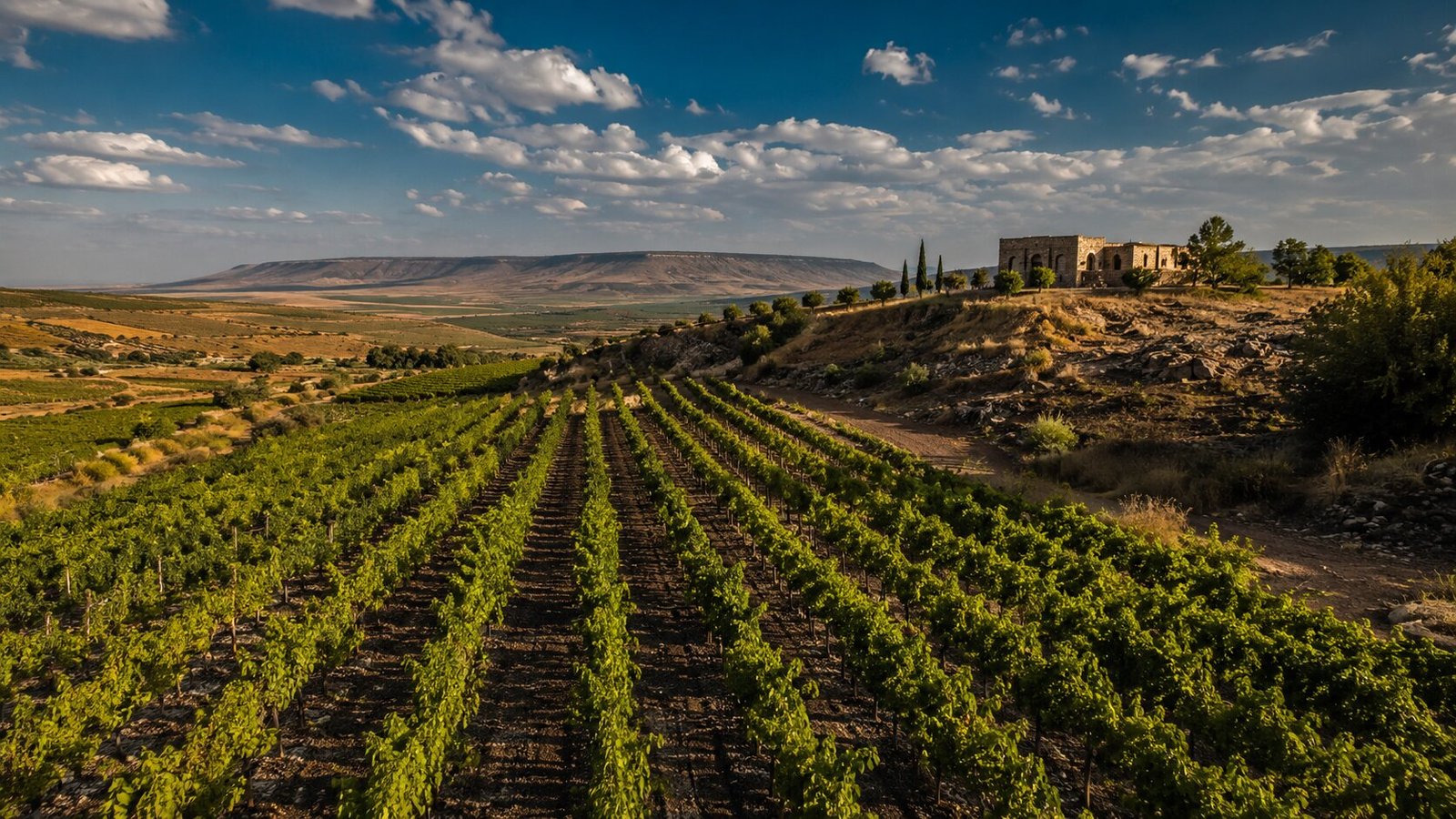
The Negev may be Israel’s most surprising quality wine story. At first glance, a desert seems like the last place to look for terroir-driven wine. But the reality is more interesting. Elevated desert vineyards, combined with intense sunlight and large day-night temperature swings, can create grapes with deep flavor and preserved freshness.
That makes the Negev important not only for Israel but for the wider wine world. As parts of Europe become warmer and more difficult to farm in traditional ways, Israel’s desert viticulture looks less like an oddity and more like a serious model for the future.
Sunlight
Reliable ripening and strong flavor concentration.
Night Cooling
Sharp temperature drops help hold acidity.
Modern Vineyard Management
Careful irrigation and site selection make quality possible in extreme conditions.
Israel’s Strength Is Diversity, Not Uniformity
One of Europe’s great advantages is regional specificity. Burgundy is not the Rhône. Tuscany is not the Mosel. Israel, though much smaller, also offers this kind of contrast. That matters because real terroir discussion depends on difference.
Within short distances, Israel moves from cool mountain vineyards to limestone hills to elevated desert sites. That gives growers and winemakers unusual flexibility, but it also creates a more exciting wine identity. Instead of one national style, there are several regional voices.
- The Judean Hills often emphasize structure, freshness, and limestone-driven precision.
- The Golan Heights and Upper Galilee often bring altitude, lift, and volcanic influence.
- The Negev often delivers concentration, dryness, and a striking balance between heat and freshness.
Site-Driven Winemaking Has Changed the Conversation
Israeli wine has matured because its best producers increasingly focus on matching grape variety and style to site. That means less forcing a universal formula onto every vineyard and more letting each place show its own strengths.
That approach brings Israel closer to the mindset of Europe’s top wine regions. Great wine is not only about winemaking technique. It is also about knowing when to step back and allow the vineyard to speak.
This is also why Mediterranean varieties and well-adapted blends have gained more attention alongside classic international grapes. The more Israeli producers lean into what actually suits the land, the stronger their terroir identity becomes.
Conclusion: Israel Competes Through Place, Not Prestige
Europe still holds the advantage of centuries of reputation, classification, and global prestige. Israel does not have that historical weight in the modern wine market. But when you narrow the conversation to terroir itself, the gap becomes much smaller.
Israel’s best regions have altitude, drainage, soil identity, climatic tension, and increasingly site-conscious producers. Those are the same foundations that define Europe’s most admired vineyards. Israeli terroirs do not need to copy Europe to compete with it. They compete by offering their own expression of place, and that is exactly what makes them worth paying attention to.
The more you taste Israeli wine through the lens of terroir, the harder it becomes to dismiss it as an outsider in the fine wine conversation.


You must be logged in to post a comment.